
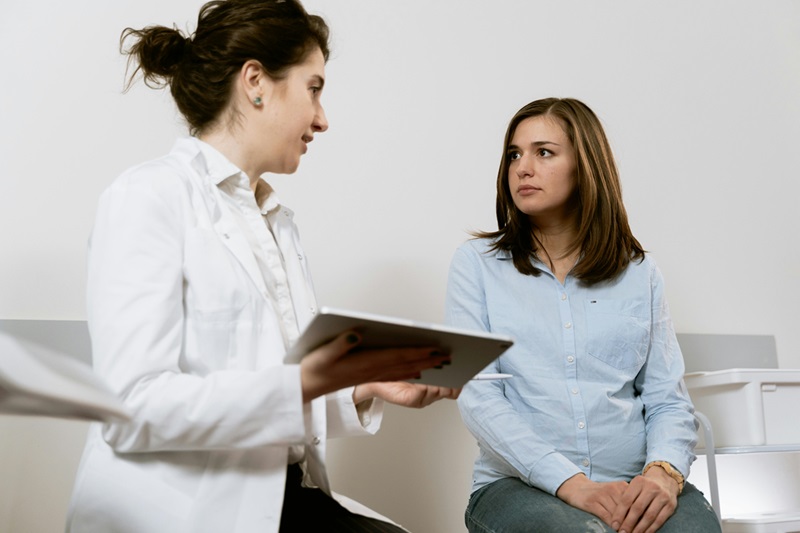
So many of us know someone who is trying to conceive, and yet the experience is often incredibly private. It usually starts with excitement turning into plans, and then, for some, it becomes a journey of waiting, uncertainty and a test of inner resolve. I have heard it in conversations with friends and family members. You hear it in their voices as the laughter gives way to pauses, and “let’s see what happens next” becomes a familiar part of the conversation.
As someone who has seen her friends navigate this journey over the years, I can say that fertility is never only just a medical matter. It is a deeply emotional experience as well, and we simply do not talk about any of it enough.
It was in the middle of witnessing so many of these stories that I found my conversation with Dr Nandita Palshetkar deeply grounding. She is one of India’s leading fertility and IVF (in vitro fertilization) specialists, known for pairing advanced reproductive technology with compassionate care. Listening to her helped me see fertility as a clearer, more structured medical journey rather than one defined purely by waiting, or even more unnerving, our luck.

You’re not doing anything “wrong” if things don’t work the moment you feel ready. From conversations I have had with people close to me, I have realised that fertility doesn’t begin with a decision, it begins long before that, shaped quietly by the body over years. By the time we start thinking about becoming parents, biology has already been at work. Egg quality, sperm health, hormones and overall metabolic health do not respond to hope or perfect timing, they respond to how the body has been supported over time.
Research published in the National Library of Medicine shows fertility naturally begins to decline in the early 30s, with a sharper dip after 37. This isn’t meant to create fear or deadlines. It is about understanding your body with honesty, so decisions come from awareness rather than panic.
You’re not doing anything “wrong” if things don’t work the moment you feel ready. From conversations I have had with people close to me, I have realised that fertility doesn’t begin with a decision, it begins long before that, shaped quietly by the body over years. By the time we start thinking about becoming parents, biology has already been at work. Egg quality, sperm health, hormones and overall metabolic health do not respond to hope or perfect timing, they respond to how the body has been supported over time.
Research published in the National Library of Medicine shows fertility naturally begins to decline in the early 30s, with a sharper dip after 37. This isn’t meant to create fear or deadlines. It is about understanding your body with honesty, so decisions come from awareness rather than panic.
What still strikes me is how rarely fertility is treated like regular health. We willingly check our cholesterol and sugar levels, yet reproductive health is often discussed only when something feels “wrong”.
According to the American Society for Reproductive Medicine early evaluation often gives couples more choices and much-needed emotional steadiness when time matters. Knowing sooner does not force decisions. It simply gives you clarity, confidence and breathing space on a journey that can otherwise feel uncertain.
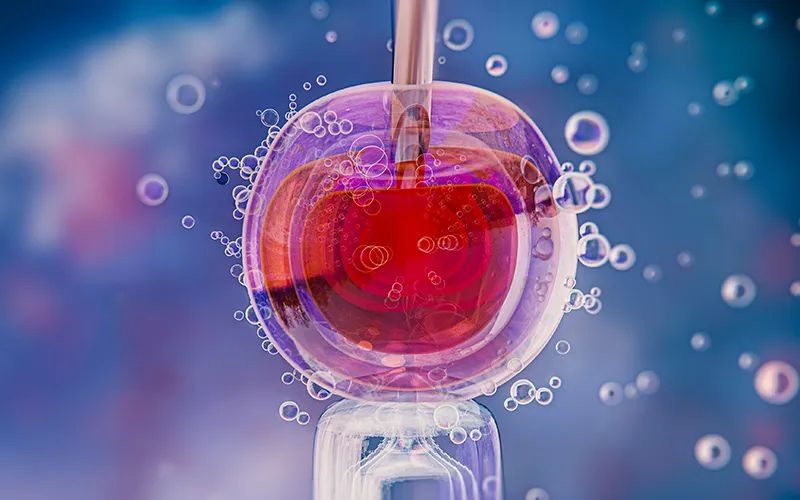
This is where Dr Nandita’s clarity helped tremendously. So much fear surrounds IVF, often because it is misunderstood. What stayed with me was how simply she explained it. As she said, “IVF is nothing but the creation of the baby outside the body, in a laboratory that mimics the fallopian tube”. Hearing it framed like that removes so much drama. IVF is not magic, nor is it failure; it is science supporting the body when natural processes face obstacles.
Success rates today are significantly better than decades ago. Women under 35 may see success rates around 50–60%, with natural decline as age progresses. But alongside science, the emotional journey matters deeply.
A study published in BioMed Central study reveals that women experiencing infertility have significantly higher levels of anxiety and depression compared with other groups, with infertile women having about 60% greater risk of psychological distress.

This is where Dr Nandita’s clarity helped tremendously. So much fear surrounds IVF, often because it is misunderstood. What stayed with me was how simply she explained it. As she said, “IVF is nothing but the creation of the baby outside the body, in a laboratory that mimics the fallopian tube”. Hearing it framed like that removes so much drama. IVF is not magic, nor is it failure; it is science supporting the body when natural processes face obstacles.
Success rates today are significantly better than decades ago. Women under 35 may see success rates around 50–60%, with natural decline as age progresses. But alongside science, the emotional journey matters deeply.
A study published in BioMed Central study reveals that women experiencing infertility have significantly higher levels of anxiety and depression compared with other groups, with infertile women having about 60% greater risk of psychological distress.
A misconception that still lingers is that infertility is largely a woman’s issue. Male factors contribute to nearly half of infertility cases. Lifestyle, sleep, alcohol, heat exposure, stress and pollution all affect sperm quality. Yet socially, women still shoulder most of the emotional pressure. Fertility is not about blame. It is shared biology and responsibility.
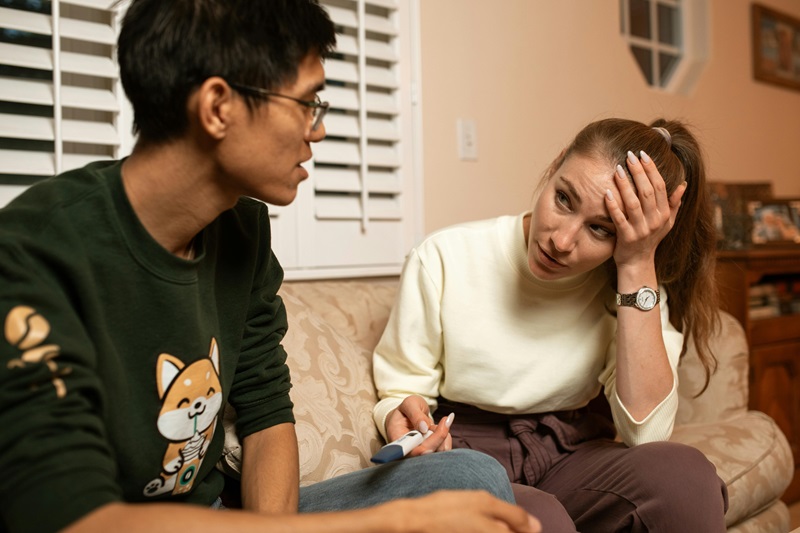
Fertility doesn’t exist in isolation. I’ve come to see, through real conversations rather than statistics, how closely it is tied to everyday health. Sleep, nutrition, movement, emotional balance and timely medical care quietly shape the body long before anyone decides to conceive.
Stress can unsettle hormones, pollution and toxins put pressure on the body without us realising it, and rising concerns like obesity and fatty liver are becoming part of the fertility reality doctors see every day. These things do not replace science, but ignoring them limits what medicine can achieve.
Fertility doesn’t exist in isolation. I’ve come to see, through real conversations rather than statistics, how closely it is tied to everyday health. Sleep, nutrition, movement, emotional balance and timely medical care quietly shape the body long before anyone decides to conceive.
Stress can unsettle hormones, pollution and toxins put pressure on the body without us realising it, and rising concerns like obesity and fatty liver are becoming part of the fertility reality doctors see every day. These things do not replace science, but ignoring them limits what medicine can achieve.
For me, fertility conversations now feel less about alarm and more about clarity. Fertility isn’t a test of worth or readiness. It is biology responding to modern life.
What makes the biggest difference isn’t pressure. It is information, support and honesty. Knowing where you stand doesn’t force decisions. It creates room for steadier ones. And in a journey often defined by waiting, that steadiness may be one of the greatest gifts we can give ourselves.
| Cookie | Duration | Description |
|---|---|---|
| cookielawinfo-checkbox-analytics | 11 months | This cookie is set by GDPR Cookie Consent plugin. The cookie is used to store the user consent for the cookies in the category "Analytics". |
| cookielawinfo-checkbox-functional | 11 months | The cookie is set by GDPR cookie consent to record the user consent for the cookies in the category "Functional". |
| cookielawinfo-checkbox-necessary | 11 months | This cookie is set by GDPR Cookie Consent plugin. The cookies is used to store the user consent for the cookies in the category "Necessary". |
| cookielawinfo-checkbox-others | 11 months | This cookie is set by GDPR Cookie Consent plugin. The cookie is used to store the user consent for the cookies in the category "Other. |
| cookielawinfo-checkbox-performance | 11 months | This cookie is set by GDPR Cookie Consent plugin. The cookie is used to store the user consent for the cookies in the category "Performance". |
| viewed_cookie_policy | 11 months | The cookie is set by the GDPR Cookie Consent plugin and is used to store whether or not user has consented to the use of cookies. It does not store any personal data. |