
There was a stretch of time not long ago when I began noticing something that didn’t quite align with how I believed I was doing. On paper, everything was steady. Work was moving, conversations were meaningful, and I wasn’t overwhelmed in any obvious way.
And yet there was this recurring sensation. A slight tightening in my chest. It wasn’t sharp enough to alarm me, and it wasn’t intense enough to cause anxiety. It was more like a quiet contraction, as if my body had braced itself without informing the rest of me.
What unsettled me was when it appeared. Not during conflict, or any form of visible stress. It would show up while I was replying to emails or reviewing notes for a recording. Sometimes even in the middle of a calm, pleasant conversation. Outwardly, nothing was wrong. Internally, however, something was holding.
In the past, I would have ignored it. I would have told myself this is simply the cost of being busy and engaged. I would have pushed through and carried on.
This time, I didn’t. I paused. I placed my hand lightly over my chest and stayed there for a few moments. I didn’t try to interpret it or improve it. I just noticed that it was there.
That small act of paying attention felt simple, but it opened a line of inquiry I had not expected.
If I am honest, I tend to live primarily in my head. When something feels uncomfortable, I try to resolve it intellectually. I refine my systems, adjust my schedule or just look for better structure.
If I feel stretched, I think about efficiency. If I feel unsettled, I try to think my way to clarity. My instinct is almost always cognitive. It rarely occurs to me to ask what my heart is doing in that moment.
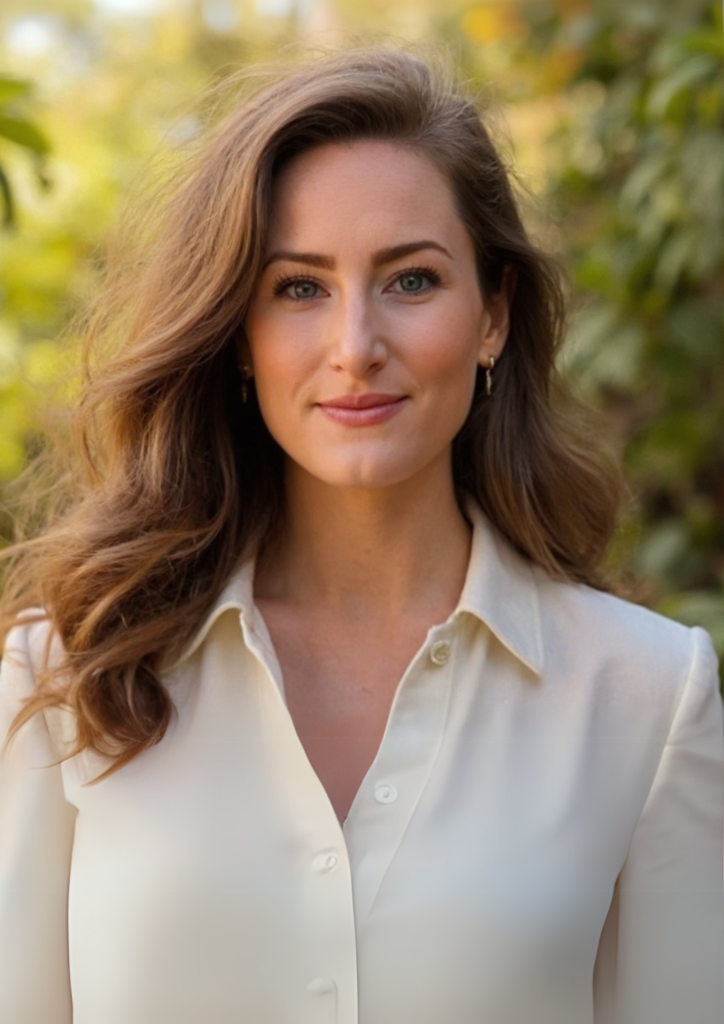
During a recent conversation with heartfulness therapist Leyla Salvadé, and founder of Cora, a system designed to help people move from constant mental effort into what she describes as heart-based regulation, she said something that caught my attention immediately. “The heart has 40,000 sensory neurites, and the heart brain functions independently from the head brain.”
When I heard that, I reconsidered the sensation I had been dismissing. If the heart is constantly signalling, then the tightening in my chest was not random. It was part of an ongoing communication between my body and my mind, one I had not been consciously listening to.
If I am honest, I tend to live primarily in my head. When something feels uncomfortable, I try to resolve it intellectually. I refine my systems, adjust my schedule or just look for better structure.
If I feel stretched, I think about efficiency. If I feel unsettled, I try to think my way to clarity. My instinct is almost always cognitive. It rarely occurs to me to ask what my heart is doing in that moment.
During a recent conversation with heartfulness therapist Leyla Salvadé, and founder of Cora, a system designed to help people move from constant mental effort into what she describes as heart-based regulation, she said something that caught my attention immediately. “The heart has 40,000 sensory neurites, and the heart brain functions independently from the head brain.”
When I heard that, I reconsidered the sensation I had been dismissing. If the heart is constantly signalling, then the tightening in my chest was not random. It was part of an ongoing communication between my body and my mind, one I had not been consciously listening to.
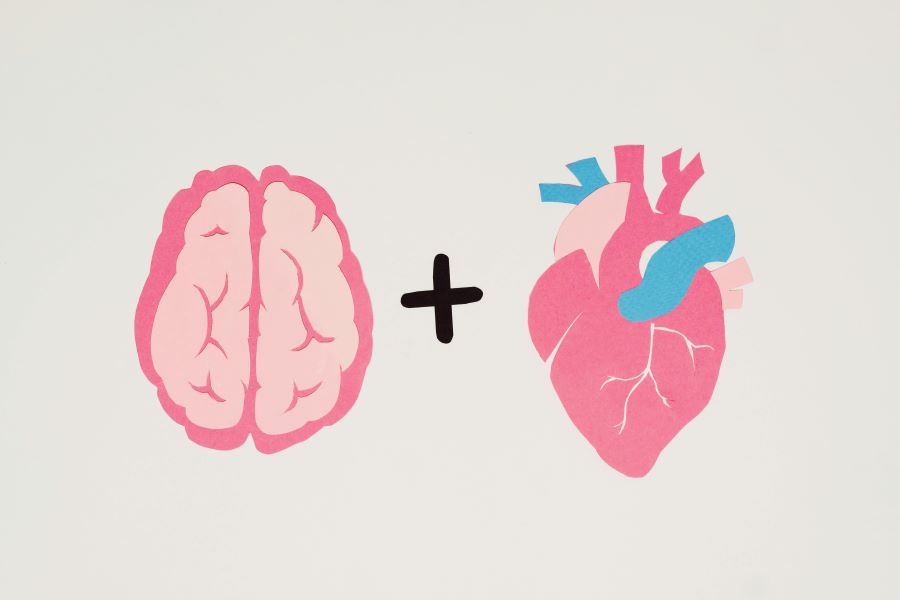
Once I began paying attention, I noticed something surprising. Often my body reacted before my thoughts formed. The heart rhythm would shift slightly. My breathing would become shallower. Only afterwards would my mind start constructing a narrative about stress.
The HeartMath Institute has published research showing that patterns in heart rhythm influence brain function, including areas related to attention and emotional regulation. When heart rhythms are smooth and coherent, the brain processes information more clearly. When they are erratic, perception narrows and emotional reactivity increases.
Reading that, I began to understand something important. My thinking was not always initiating stress. Sometimes my heart rhythm was shaping my thinking.
Once I began paying attention, I noticed something surprising. Often my body reacted before my thoughts formed. The heart rhythm would shift slightly. My breathing would become shallower. Only afterwards would my mind start constructing a narrative about stress.
The HeartMath Institute has published research showing that patterns in heart rhythm influence brain function, including areas related to attention and emotional regulation. When heart rhythms are smooth and coherent, the brain processes information more clearly. When they are erratic, perception narrows and emotional reactivity increases.
Reading that, I began to understand something important. My thinking was not always initiating stress. Sometimes my heart rhythm was shaping my thinking.
When people describe burnout, they often say they feel it in their chest. There is tightness, or pressure. A sense of constriction that does not disappear even after a good night’s sleep.
Heart rate variability, which measures the variation in time between heartbeats, is one way of understanding this. Higher variability reflects flexibility and resilience. Lower variability reflects a system stuck in stress mode.
A large review published in Frontiers in Psychology found strong associations between heart rate variability and emotional regulation. Individuals with higher HRV were better able to recover from stress, while lower HRV was linked to anxiety and reduced adaptability.
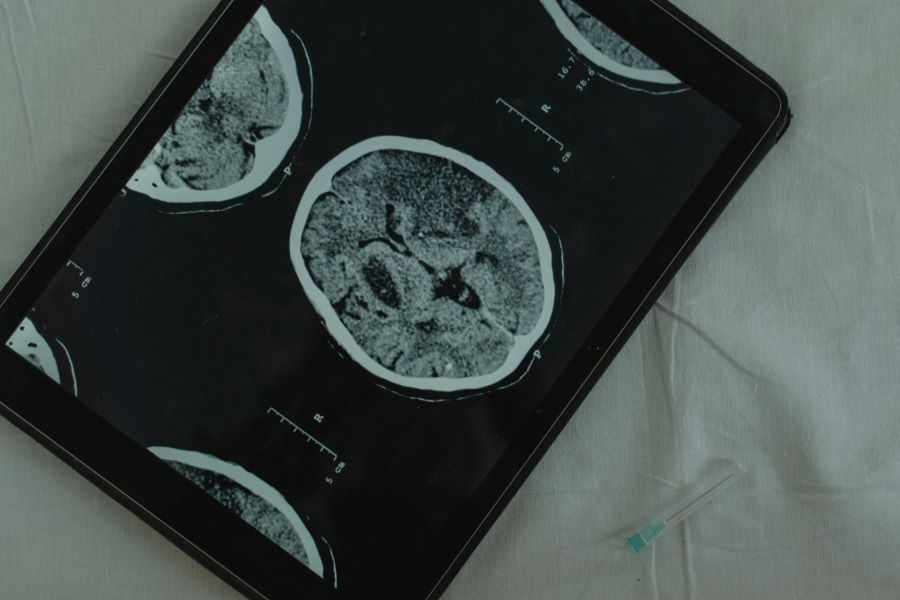
When people describe burnout, they often say they feel it in their chest. There is tightness, or pressure. A sense of constriction that does not disappear even after a good night’s sleep.
Heart rate variability, which measures the variation in time between heartbeats, is one way of understanding this. Higher variability reflects flexibility and resilience. Lower variability reflects a system stuck in stress mode.
A large review published in Frontiers in Psychology found strong associations between heart rate variability and emotional regulation. Individuals with higher HRV were better able to recover from stress, while lower HRV was linked to anxiety and reduced adaptability.
When I read that, it felt less abstract than it might have a few years ago. I could feel in my own body what rigidity felt like. It felt like that subtle tightening that never quite released.
Burnout, I realised, might not only be about workload or mindset. It might be about a heart rhythm that has lost flexibility.
At one point in our discussion, Leyla said, “We don’t heal through the head, we heal through the heart”, and the more I sat with it, the more I understood what she meant.
You can understand your patterns intellectually and still feel braced in your body. You can know that you are safe and still experience a racing heart.
What struck me is how often we try to override the body with logic. We tell ourselves to calm down. We explain why something is not a threat. We rehearse rational arguments in our heads. And yet the tightness remains. That gap between what we know and what we feel is not a failure of intelligence. It is a sign that regulation is not purely cognitive.
The heart is not waiting for a lecture from the brain. It responds to rhythm, breath and internal signalling. When the nervous system has been living in subtle overdrive, it does not recalibrate because we have reasoned it into submission. It recalibrates when the physiological signals change.
A study published in the journal Breathe demonstrated that paced breathing and short periods of intentional silence can reduce heart rate and blood pressure, activating the parasympathetic nervous system. That is the branch responsible for recovery and restoration.
When heart rhythm stabilises, the brain receives a different signal. It interprets that signal as safety. Emotional reactivity softens not because we have reasoned our way into calmness, but because the body has shifted first. That has changed how I approach stress.
When I notice that familiar tightening in my chest, I no longer treat it as a problem to solve. That was my old pattern. Analyse it. Fix it. Optimise around it. Now I respond differently, and that shift came directly from what Leyla taught me.
She spoke about consciously moving awareness from the head into the heart, not metaphorically, but intentionally. About training the nervous system to relocate attention. So when I feel that constriction, I slow my breathing and place my hand over my heart. Not because it is symbolic, but because it anchors awareness physically in my chest.

When I notice that familiar tightening in my chest, I no longer treat it as a problem to solve. That was my old pattern. Analyse it. Fix it. Optimise around it. Now I respond differently, and that shift came directly from what Leyla taught me.
She spoke about consciously moving awareness from the head into the heart, not metaphorically, but intentionally. About training the nervous system to relocate attention. So when I feel that constriction, I slow my breathing and place my hand over my heart. Not because it is symbolic, but because it anchors awareness physically in my chest.
Leyla described it as shifting consciousness from the head brain to the heart brain. That language stayed with me. Instead of interrogating my thoughts, I attend to rhythm. I breathe more slowly. I let the inhale travel deeper. I imagine the breath moving in and out of my chest rather than staying high in my throat.
Sometimes I bring in gratitude, because she emphasised that genuine appreciation smooths heart rhythm patterns. Sometimes I simply stay with the sensation without judging it or trying to improve it. The change is rarely dramatic, but it is measurable in the body. My breathing steadies. The tightness loosens. My thoughts settle afterwards rather than leading the process.
I have also changed how I begin my mornings, again because of what Leyla suggested. Before reaching for my phone, before stepping into emails or conversations, I pause and bring my awareness into my chest. I place my hand there, even if only for a minute. That small ritual prevents my nervous system from launching into urgency. It sets a different baseline for the day.
It is not a grand practice. It is a recalibration. And over time, it has made the difference between reacting from my head and responding from a steadier place in my body.

We have been taught that intelligence lives in the brain. That thinking clearly is the ultimate goal. But what if clarity is influenced by rhythm rather than solely by reasoning.
If the heart continuously shapes the signals travelling to the brain, then resilience is not just mental toughness. It is physiological coordination.
When my heart rhythm is stable, I notice that I am less reactive. I respond more deliberately. Conversations feel less charged, and decisions feel less rushed. When my heart rhythm is erratic, everything feels more urgent than it needs to be. This is not mystical, it is mechanical.
The heart and brain are in constant dialogue. I had simply been ignoring half of the conversation.
We have been taught that intelligence lives in the brain. That thinking clearly is the ultimate goal. But what if clarity is influenced by rhythm rather than solely by reasoning.
If the heart continuously shapes the signals travelling to the brain, then resilience is not just mental toughness. It is physiological coordination.
When my heart rhythm is stable, I notice that I am less reactive. I respond more deliberately. Conversations feel less charged, and decisions feel less rushed. When my heart rhythm is erratic, everything feels more urgent than it needs to be. This is not mystical, it is mechanical.
The heart and brain are in constant dialogue. I had simply been ignoring half of the conversation.
Paying attention to my heart has not made my life less busy. It has not removed deadlines or responsibilities. What it has done is change how my body carries them.
There is less friction inside me now because I am listening earlier. I am noticing the tightening before it becomes overwhelming. I am regulating before I escalate.
We are not just thinking beings moving through the world. We are rhythmic systems in constant communication with ourselves. The more coherent that communication becomes, the steadier everything else feels.
For me, the work has become less about controlling my thoughts and more about tending to my rhythm. And that begins in the heart.

| Cookie | Duration | Description |
|---|---|---|
| cookielawinfo-checkbox-analytics | 11 months | This cookie is set by GDPR Cookie Consent plugin. The cookie is used to store the user consent for the cookies in the category "Analytics". |
| cookielawinfo-checkbox-functional | 11 months | The cookie is set by GDPR cookie consent to record the user consent for the cookies in the category "Functional". |
| cookielawinfo-checkbox-necessary | 11 months | This cookie is set by GDPR Cookie Consent plugin. The cookies is used to store the user consent for the cookies in the category "Necessary". |
| cookielawinfo-checkbox-others | 11 months | This cookie is set by GDPR Cookie Consent plugin. The cookie is used to store the user consent for the cookies in the category "Other. |
| cookielawinfo-checkbox-performance | 11 months | This cookie is set by GDPR Cookie Consent plugin. The cookie is used to store the user consent for the cookies in the category "Performance". |
| viewed_cookie_policy | 11 months | The cookie is set by the GDPR Cookie Consent plugin and is used to store whether or not user has consented to the use of cookies. It does not store any personal data. |