What if cancer awareness is not only about treatment choices, but about the fear, uncertainty and responsibility that follow a diagnosis? After my conversation with Benita Sharma on The Wellness Algorithm, I found myself thinking about my daughter’s leukaemia diagnosis, the fragility of those early moments, and why every cancer story must be heard with compassion, caution and respect for medical guidance.
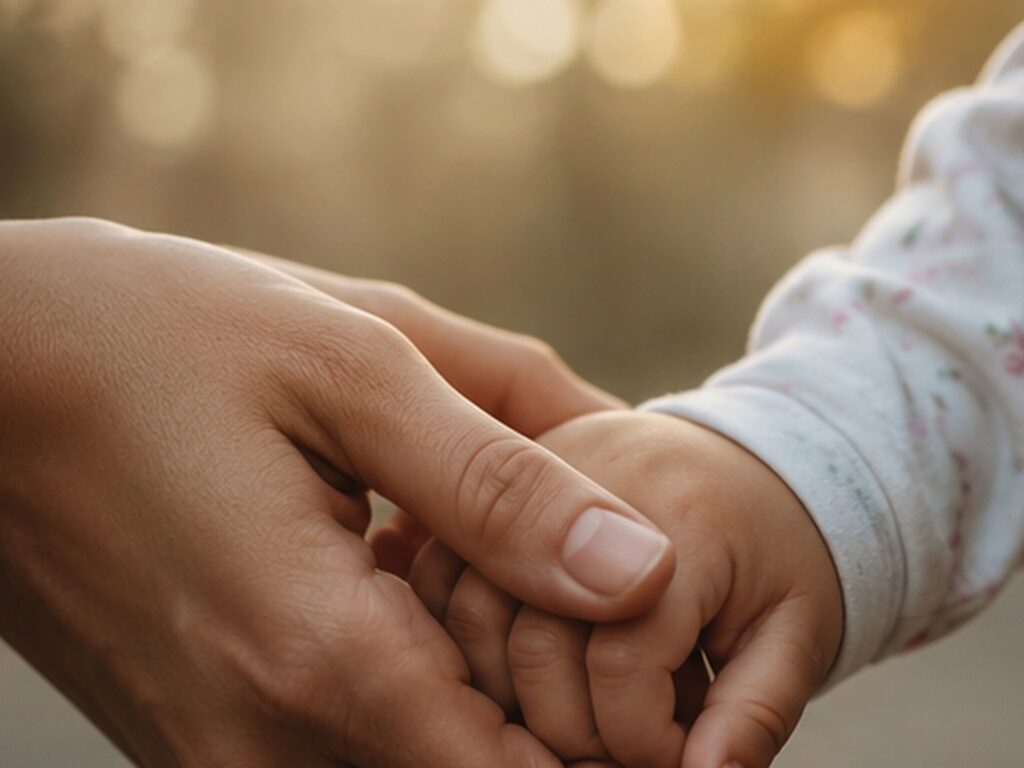
In 1999, I sat in a doctor’s clinic, clutching my one-and-a-half-year-old daughter, when the word leukaemia entered the room. Before I could ask a question, before I could form a sentence, my eyes had already begun to respond. There are moments when the body understands grief before the mind can catch up.
That is why I know cancer not just as a word, not as a topic, and not as a podcast host who has sat across many remarkable people. I know it as a mother.
A diagnosis does something strange to time. The past becomes the place where life was still innocent. The present becomes a room full of instructions, questions and adult faces trying not to reveal too much. The future, which once felt open and ordinary, suddenly needs permission.
When my daughter was diagnosed with leukaemia, I was not thinking about awareness campaigns, survival statistics or public health conversations. I was thinking about her breath, her small body, her future, and the terrifying possibility that life had changed before I had even understood it.
Today, my daughter is thriving. That sentence carries more meaning than I can easily explain. It is why cancer awareness will never be distant for me. It is not content. It is not a theme. It is a responsibility shaped by memory.
Medical progress matters because it changes family stories. The National Cancer Institute notes that the five-year survival rate for childhood acute lymphoblastic leukaemia has risen to approximately 90 per cent for children younger than 15, a transformation that sits behind thousands of parents’ private prayers.
I recently had a conversation with Benita Aunty for a podcast. She is a cancer survivor and her daughter is a close friend of mine, so this was not a distant interview. I had seen, from the side-lines, how frightening her family’s experience was in 2011. Her journey began with a lump in the neck, a period of uncertainty, a full body check-up, and an initial belief that it might be tuberculosis. She was given TB medication, which left her exhausted. Later, after further investigation and a biopsy, the truth emerged: it was cancer.
That shift from one diagnosis to another is more than a medical detail. It is a psychological shock. One day, a family is trying to understand one illness. Next, they are being asked to confront another reality altogether.
This is one reason awareness matters. Not because fear should rule our lives, but because symptoms deserve attention, questions deserve answers, and patients deserve enough clarity to participate in decisions about their own bodies. Cancer is one of the leading causes of death worldwide, accounting for nearly 10 million deaths in 2022, according to the World Health Organization. Yet for every family, it arrives not as a global statistic, but as one report, one scan, one call, one altered future.
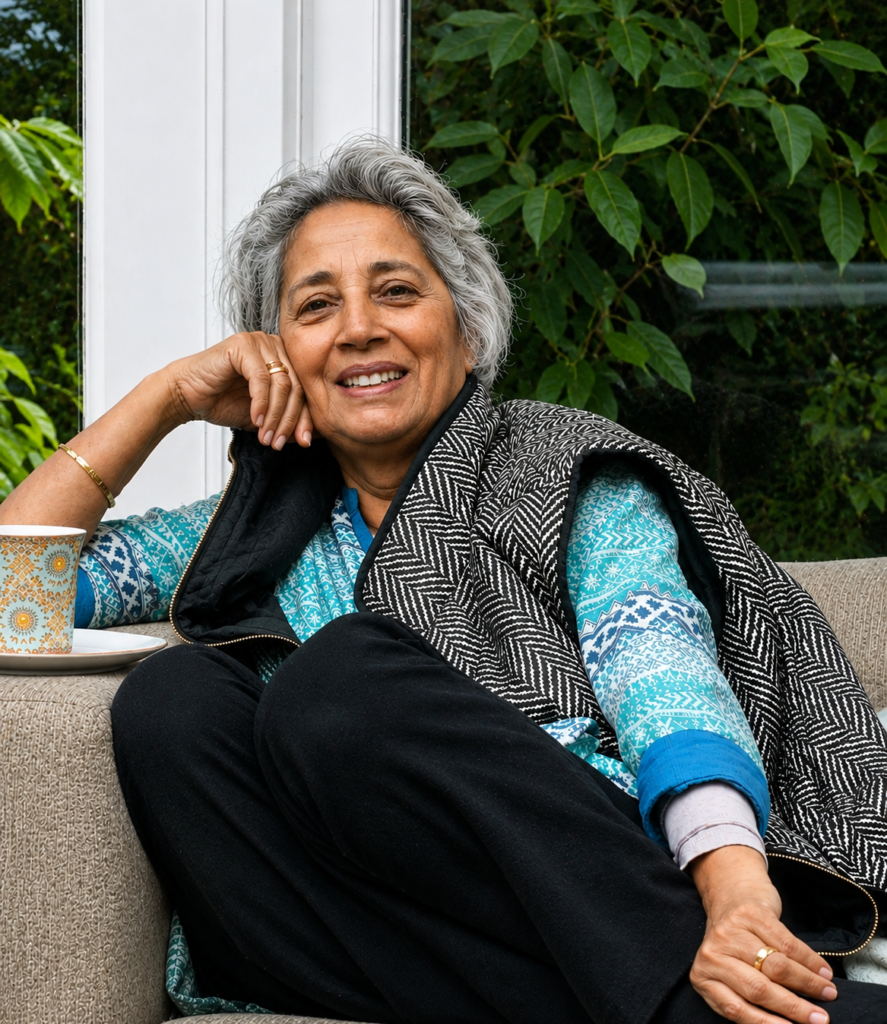
I recently had a conversation with Benita Aunty for a podcast. She is a cancer survivor and her daughter is a close friend of mine, so this was not a distant interview. I had seen, from the side-lines, how frightening her family’s experience was in 2011. Her journey began with a lump in the neck, a period of uncertainty, a full body check-up, and an initial belief that it might be tuberculosis. She was given TB medication, which left her exhausted. Later, after further investigation and a biopsy, the truth emerged: it was cancer.
That shift from one diagnosis to another is more than a medical detail. It is a psychological shock. One day, a family is trying to understand one illness. Next, they are being asked to confront another reality altogether.
This is one reason awareness matters. Not because fear should rule our lives, but because symptoms deserve attention, questions deserve answers, and patients deserve enough clarity to participate in decisions about their own bodies. Cancer is one of the leading causes of death worldwide, accounting for nearly 10 million deaths in 2022, according to the World Health Organization. Yet for every family, it arrives not as a global statistic, but as one report, one scan, one call, one altered future.
Alternative medicine is one of the hardest subjects to discuss honestly, especially when cancer is involved.
It should never be romanticised. It should never be sold as a cure. It should never be presented as a replacement for oncology, diagnostics, scans, staging or specialist care. Evidence matters. Medicine matters. Scientific caution matters deeply.
But human beings are not machines. When someone is told they have cancer, they may search for meaning as much as treatment. They may want food to feel medicinal, prayer to feel steadying, breath to feel purposeful, and the body to feel less like an enemy. They may look beyond conventional care not because they are foolish, but because they are frightened, overwhelmed, hopeful, distrustful, exhausted, or desperate to participate in their own recovery.
Alternative medicine is one of the hardest subjects to discuss honestly, especially when cancer is involved.
It should never be romanticised. It should never be sold as a cure. It should never be presented as a replacement for oncology, diagnostics, scans, staging or specialist care. Evidence matters. Medicine matters. Scientific caution matters deeply.
But human beings are not machines. When someone is told they have cancer, they may search for meaning as much as treatment. They may want food to feel medicinal, prayer to feel steadying, breath to feel purposeful, and the body to feel less like an enemy. They may look beyond conventional care not because they are foolish, but because they are frightened, overwhelmed, hopeful, distrustful, exhausted, or desperate to participate in their own recovery.
So who are we to judge too quickly?
From the outside, it is easy to say what someone should have done. From inside a diagnosis, the world looks different. A patient is not only weighing treatment options. They are also weighing pain, risk, trust, side effects, survival, dignity and the kind of life they want to hold on to.
That does not mean every alternative claim should be accepted. The National Center for Complementary and Integrative Health states that no complementary health approach has been shown to prevent or cure cancer, although some approaches may help people manage symptoms or side effects when used safely alongside conventional care.
That distinction protects people. It allows compassion without blind belief. It allows curiosity without surrendering judgement. It allows a patient’s emotional reality to be respected without turning one person’s experience into medical advice for another.
But every journey, the thought-process behind that journey, has to be accepted.
When I sat down with Benita Aunty, one of the most important lines she said was also one of the most simple ones, one perhaps every cancer patient wants to say out loud: “Please don’t make me feel helpless.”
That sentence should make every caregiver pause.
When someone we love is ill, our instinct is to protect them. We want to lift the cup, answer the phone, manage the room, silence difficult conversations and prevent pain before it arrives. Sometimes that is necessary. Sometimes it is love in its most practical form.
When I sat down with Benita Aunty, one of the most important lines she said was also one of the most simple ones, one perhaps every cancer patient wants to say out loud: “Please don’t make me feel helpless.”
That sentence should make every caregiver pause.
When someone we love is ill, our instinct is to protect them. We want to lift the cup, answer the phone, manage the room, silence difficult conversations and prevent pain before it arrives. Sometimes that is necessary. Sometimes it is love in its most practical form.
But concern can become heavy when it turns a person into a patient every minute of the day. It can make them feel watched, reduced, managed and gently imprisoned by everyone’s fear.
A person with cancer may need help, but they also need identity. They may need care, but they also need choice. They may be vulnerable, but they are not only vulnerable.
I understood this as a mother too. When someone you love is ill, you want to hold the world still. But love must also leave room for dignity.

Cancer makes people search for hope everywhere. I understand that search. I have lived close to it. But hope must be handled honestly.
Benita told me about faith, food, discipline, family support and the practices that became meaningful within her own journey. These details should be heard as part of her personal account. They should not be converted into a medical formula.
Her other point that deserves attention is this: “you also have to help your healers to heal yourself.”
Cancer makes people search for hope everywhere. I understand that search. I have lived close to it. But hope must be handled honestly.
Benita told me about faith, food, discipline, family support and the practices that became meaningful within her own journey. These details should be heard as part of her personal account. They should not be converted into a medical formula.
Her other point that deserves attention is this: “you also have to help your healers to heal yourself.”
I hear that not as a rejection of medicine, but as a plea for participation. Patients do not want to feel passive inside their own lives. They want to understand. They want to ask. They want to be treated as people with agency, not as bodies moving through a system.
This is where I feel a responsibility as a host. I want people to share honestly. I want listeners to hear stories that are not polished into certainty. But I also want every listener to remember that a personal experience is not evidence for another person’s treatment decision.
There is space for prayer, food, family support, meditation and meaning. There must also be respect for oncology, medical expertise and evidence-based care.
Both truths can sit in the same conversation, if we are careful.
A cancer story should never be flattened into one message. It cannot simply be: be brave. It cannot simply be: stay positive. It cannot be: do what this person did. It cannot be: trust nothing, or trust blindly.
Seek medical advice. Ask questions. Get clarity. Take support. Protect dignity. Do not confuse personal belief with proof. Do not allow fear to become the only voice in the room.
When I sat in that clinic in 1999, I could not have imagined that one day I would speak publicly about cancer, healing and awareness. I was only a mother holding her child, trying to survive the next sentence.
Perhaps that is why I continue to have these conversations now.
Because once cancer has entered your life, you never hear the word in the same way again. And when someone you love survives and thrives, awareness stops being a campaign. It becomes a promise to speak with care, to listen deeply, and to remind others that no one should have to face fear alone.
| Cookie | Duration | Description |
|---|---|---|
| cookielawinfo-checkbox-analytics | 11 months | This cookie is set by GDPR Cookie Consent plugin. The cookie is used to store the user consent for the cookies in the category "Analytics". |
| cookielawinfo-checkbox-functional | 11 months | The cookie is set by GDPR cookie consent to record the user consent for the cookies in the category "Functional". |
| cookielawinfo-checkbox-necessary | 11 months | This cookie is set by GDPR Cookie Consent plugin. The cookies is used to store the user consent for the cookies in the category "Necessary". |
| cookielawinfo-checkbox-others | 11 months | This cookie is set by GDPR Cookie Consent plugin. The cookie is used to store the user consent for the cookies in the category "Other. |
| cookielawinfo-checkbox-performance | 11 months | This cookie is set by GDPR Cookie Consent plugin. The cookie is used to store the user consent for the cookies in the category "Performance". |
| viewed_cookie_policy | 11 months | The cookie is set by the GDPR Cookie Consent plugin and is used to store whether or not user has consented to the use of cookies. It does not store any personal data. |